Mike Rogers’ Sudden Pivot on Michigan’s Data Centers
Investigation

Image: Swilsonmc
.jpg)
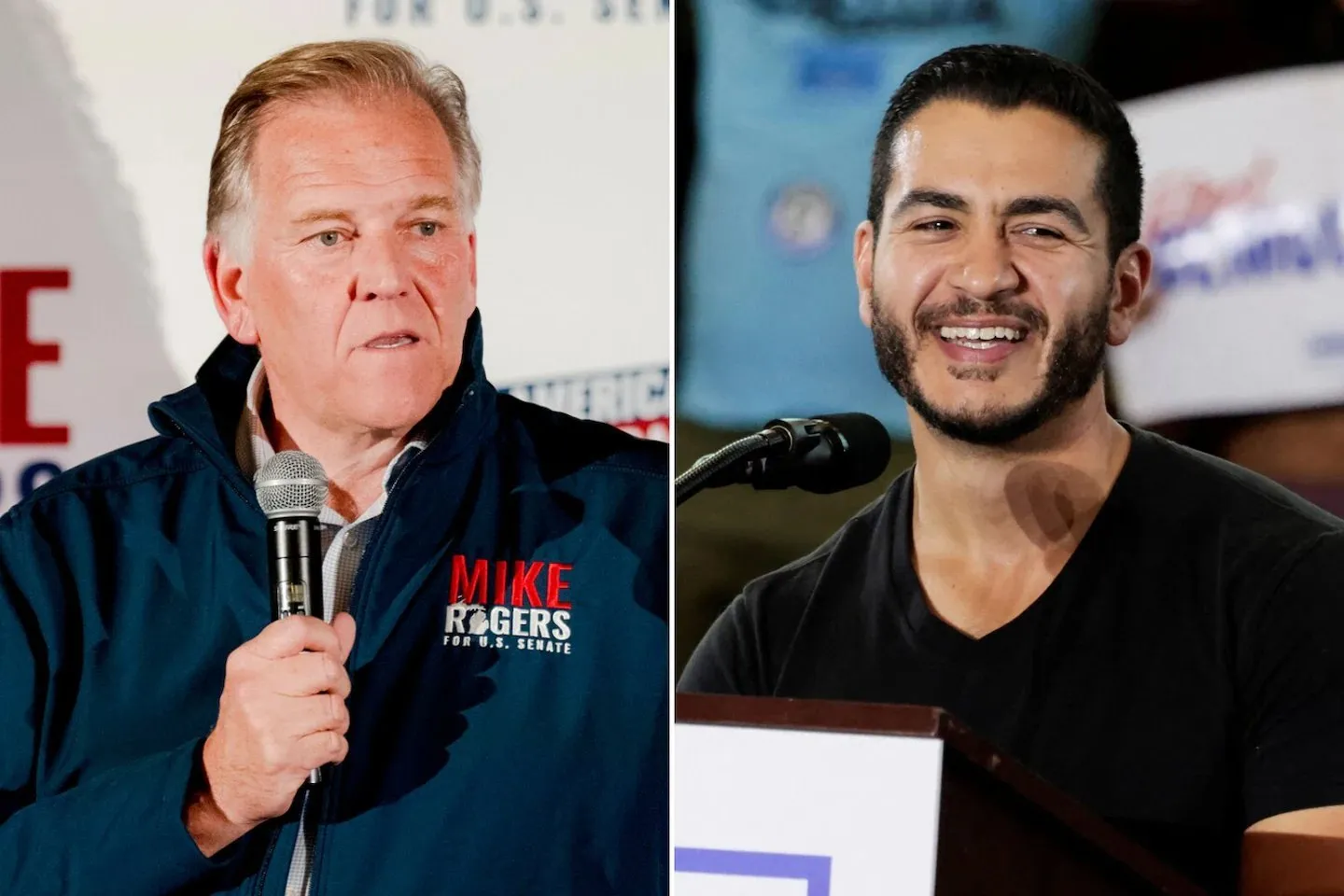
On August 20, 2026, Republican U.S. Senate candidate Mike Rogers stood before reporters in Detroit and called for an abrupt halt to one of Michigan’s most heavily promoted economic sectors: the construction of massive artificial intelligence data centers POLITICO. Rogers, locked in a highly competitive race against progressive Democrat Abdul El-Sayed to succeed retiring Senator Gary Peters, proposed a state-level, one-year moratorium on new facilities POLITICO Pro.
While Rogers framed the proposal as a necessary shield to protect local communities from soaring utility rates and water depletion, the announcement has ignited a fierce debate over political opportunism, personal financial conflicts, and the constitutional limits of the office he seeks Ground News.
A Sudden Policy Shift
Just weeks before his Detroit press conference, Rogers held a vastly different view. In a July 2026 interview with ABC affiliate WXYZ, he expressed general support for data center expansion, arguing that local communities should have the autonomy to approve these facilities if they directly benefited from them POLITICO.
What changed in the intervening days appears to be less about sudden environmental epiphanies and more about a damaging financial disclosure. On August 18, 2026—exactly two days before Rogers’ policy shift—an investigative report by The Lever, widely circulated by campaign watchdogs, revealed that Rogers and his wife held between $1.7 million and $2.6 million in tech and AI-related investments, alongside up to $250,000 in Blackstone Real Estate Income Trust, a major player in data center development Ground News.
The political blowback was immediate. The Michigan Democratic Party accused Rogers of positioning himself to "make a fortune" off the very industry he was suddenly seeking to pause. El-Sayed’s campaign quickly capitalized on the disclosure, releasing video content on Facebook highlighting Rogers’ personal financial stakes in the tech sector.
Faced with mounting criticism, Rogers pivoted. "While I don't support a federal ban, Michigan needs stronger guardrails to protect community control, prevent utility price hikes, protect our water and stop pay-to-play schemes," Rogers told The Detroit News in a statement confirming his call for a one-year freeze POLITICO Pro.
The Jurisdictional Disconnect
Beyond the financial timing, Rogers’ proposal features a striking constitutional irony. He is running for the federal U.S. Senate POLITICO. Yet, he explicitly opposes any federal ban or federal moratorium on data centers, insisting instead that the "pause" must be enacted by Michigan state policymakers in Lansing The Washington Times.
If elected to the Senate, Rogers would possess no legislative authority to force a moratorium on the Michigan state legislature POLITICO Pro. This jurisdictional gap has led critics to characterize his platform as a toothless campaign maneuver designed to appease voters without requiring him to take actual federal legislative action Ground News.
Midterm Toxicity and the Battle for the Grid
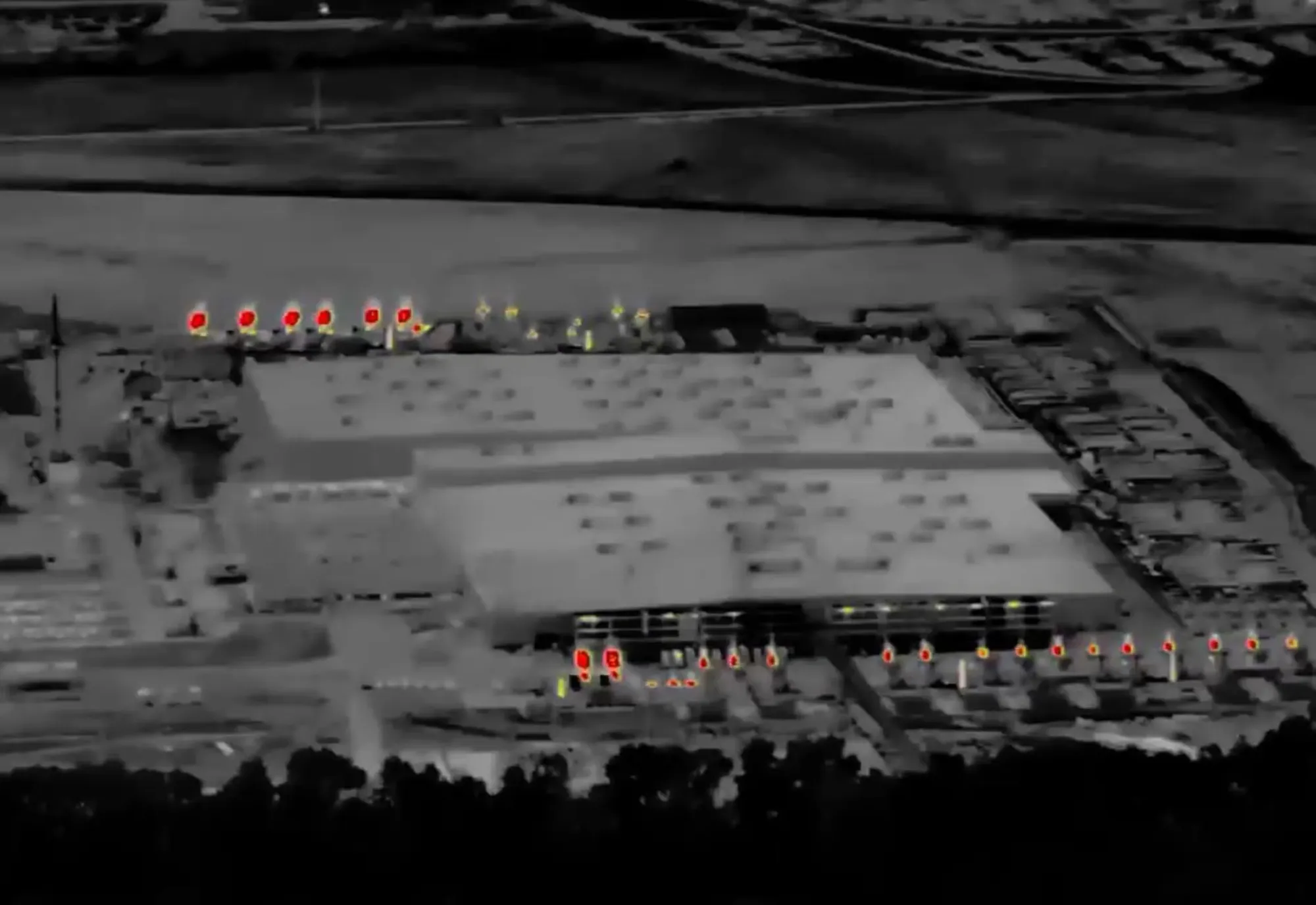
The political panic over data centers is not unique to Michigan. Across the industrial Midwest, the rapid expansion of energy-intensive AI infrastructure has become a highly volatile issue The Hill. Voters are increasingly vocal in their concerns over rising electricity bills, grid reliability, and the massive water consumption required to cool the servers powering the artificial intelligence boom Newsweek.
The political danger has become so acute that the National Republican Senatorial Committee recently issued a memo warning candidates that data center expansion is proving highly unpopular with voters, particularly in key battleground states POLITICO. In neighboring Ohio, the Senate race has similarly devolved into a proxy war over tech infrastructure Newsweek.
While Rogers has embraced the moratorium narrative, El-Sayed has taken a different approach Data Center Digest. Rather than calling for an outright ban or a temporary freeze, El-Sayed has advocated for strict "terms of engagement" POLITICO Pro. Under El-Sayed's proposed framework, developers and utility companies would be bound by strict agreements to protect the electrical grid, maintain energy reliability, and adhere to clean energy laws The Hill.
Adjudicating the Pivot
Ultimately, the weight of the evidence indicates that while Rogers’ call for a one-year moratorium is a real and documented campaign proposal, it represents a defensive political pivot rather than a long-standing policy conviction. The timeline is too tight to ignore: Rogers went from advocating for community-led data center expansion in July to calling for an outright freeze on August 20, just forty-eight hours after investigative reports exposed his personal financial ties to the tech sector Ground News.
Supporters of Rogers would point to his stated desire to protect Michigan ratepayers from utility hikes and preserve local control as a genuine response to constituent anxieties Washington Examiner. This argument, however, fails to reconcile the central contradiction of his campaign: he is running for a federal office while proposing a state-level policy over which he would have zero legislative control POLITICO Pro.
Two key questions remain unanswered: First, will Rogers take concrete steps to divest from the AI and tech funds that tie him to the industry? Second, will any Republican state legislators in Lansing actually introduce the state-level moratorium bill that Rogers is calling for?
The verdict on Rogers' policy shift would change if his campaign were to announce a formal divestment plan, or if state-level lawmakers began actively introducing moratorium legislation aligned with his proposal. Until then, his call for a pause remains a politically convenient, if legally toothless, campaign maneuver in one of the nation's most closely watched Senate races.